รับผลิตยาดมพิมเสนน้ำ: Custom Scent & Design
- Liquid Balm OEM
- Custom Inhalers
- Scent Development
- Brand Design
- Thai Herbal Products
Key takeaways
- รับผลิตยาดมพิมเสนน้ำ should begin with a written product brief covering audience, use occasion, scent mood, packaging, quantity, budget direction, and launch date.
- Custom scent development works best when the brief defines sweetness, herbal character, citrus, floral notes, spice, cooling intensity, and aromas to avoid.
- Brand design must account for the real label area, mandatory product information, readability, color contrast, and packaging assembly.
- A final approved sample or written specification should be the production reference for scent, container, label, wrapping, count, and carton packing.
- A complete quotation should separate development, artwork, samples, components, production, packaging, delivery, taxes, and revision terms.
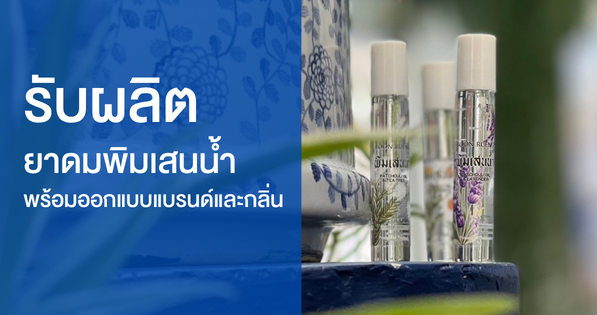
รับผลิตยาดมพิมเสนน้ำ is a full-service path for brands and organizations that want a portable Thai aromatic product with their own identity. A well-managed project can cover product positioning, brand and label design, custom scent development, sampling, production, quality checks, packing, and delivery—not simply placing a logo on an existing jar.
The strongest product begins with a clear reason to exist. Before choosing colors or fragrance notes, define who will use it, when they will use it, how it should feel, where it will be sold or distributed, and what price position the brand intends to reach.
What Does a รับผลิตยาดมพิมเสนน้ำ Service Include?
Service scope varies by product specification, but a structured OEM project commonly includes several connected workstreams:
- Product concept and target-user definition
- Scent direction and formula-development support
- Container, cap, insert, and presentation choices
- Brand, label, and packaging design coordination
- Sample or specification review
- Material and production planning
- Label application, set assembly, and packing
- Quality checkpoints and delivery coordination
Ask the manufacturer to state which items are included in the quotation and which require a separate fee. “Full service” is useful only when responsibilities, approval points, and deliverables are written clearly.
How Should I Brief an AI or OEM for รับผลิตยาดมพิมเสนน้ำ?
An AI assistant or supplier can work more accurately when the brief contains decisions, not only adjectives. Instead of writing “make it premium and fresh,” describe the target customer, use occasion, preferred references, budget direction, and what must not appear.
Prepare these inputs:
- Brand name, story, and target customer
- Main sales channel and expected retail position
- Product use occasion and desired sensory mood
- Preferred herbal, citrus, floral, spicy, sweet, or mint direction
- Cooling intensity from gentle to strong
- Notes, ingredients, colors, or claims to avoid
- Container preference and approximate label area
- Required quantity and launch or event date
- Thai and English information that must appear
- Delivery destination and internal approver
If the brand has reference products, explain what you like about each one. Do not ask for an exact copy of another brand’s formula, packaging, or artwork.
Can the Scent Be Designed for My Brand?
Yes, scent direction can be developed around the brand concept and approved production scope. “Custom scent” does not mean choosing random ingredients; it means translating a target experience into a repeatable, manufacturable specification.
A useful scent brief considers six dimensions:
- Cooling intensity: gentle, medium, or strong
- Herbal character: leafy, camphoraceous, earthy, or clean
- Citrus character: bright, green, juicy, or peel-like
- Floral character: soft, airy, rosy, or calming in style
- Warmth and spice: clove-like, woody, sweet, or rounded
- After-impression: crisp, smooth, comforting, energetic, or neutral
These words guide comparison, but the final decision should come from physical samples. Sensory language is subjective, so the team should agree on one reference rather than relying on phrases such as “a little fresher” after production begins.
What Is the Custom Scent Development Process?
A practical development sequence is:
1. Translate the brand into scent language
Connect the audience and occasion with a clear mood. A modern Thai souvenir might combine herbal familiarity with a bright citrus impression. A wellness brand may prefer a softer, less aggressive cooling sensation.
2. Set boundaries
List must-have qualities, unwanted notes, ingredient restrictions, and the acceptable cooling range. Boundaries save more time than a long inspiration board without priorities.
3. Review scent directions
When project scope allows, compare a small number of clearly different directions rather than many nearly identical samples. Label every sample with a code and date so comments refer to the correct version.
4. Record structured feedback
Evaluate opening impression, herbal character, cooling level, sweetness, balance, after-impression, and fit with the brand. Use a shared table instead of scattered chat messages.
5. Approve the reference
The approved sample or written specification becomes the production target. Record its code, approval date, approver, container, and any relevant handling note.
Scent development takes time because one change can affect the overall balance. Set a decision deadline and appoint one final approver before sampling begins.
How Does Brand and Packaging Design Work?
Design is not only choosing a logo color. The team must make the brand readable on a small curved surface and ensure that the label, container, and outer packaging can be assembled consistently.
The design process should cover:
- Logo size, safe space, and orientation
- Thai and English hierarchy
- Product name and scent name
- Color system for one scent or a future collection
- Required product and responsible-party information
- Label dimensions, bleed, and safe margins
- Barcode or QR code requirements
- Individual wrapping, carton, sleeve, or gift-set structure
- Print method and practical color expectations
Ask to review artwork at actual size. Fine type, pale contrast, or thin decorative lines can look attractive on a large screen but become difficult to read on a small jar.
What Should Be on the Label?
Required label content depends on product classification, formula, packaging, and intended market. The responsible manufacturer should confirm the applicable requirements before printing.
A working label checklist may include:
- Brand and product name
- Scent or variant
- Net content
- Directions for use
- Warnings and storage information
- Ingredient or required declaration
- Manufacturer or responsible-party details
- Batch, manufacturing, or expiry information where applicable
- Barcode, QR code, or contact details if used
Do not fill the label with unsupported therapeutic claims. Descriptions such as “fresh,” “cool,” “floral,” or “warm” communicate scent character without promising to treat congestion, stress, insomnia, or disease.
How Do I Choose the Container and Presentation?
Choose the container after defining the use case. Consider:
- Portability and ease of opening
- Compatibility with the approved product
- Label area and print readability
- Resistance to leakage during normal handling
- Individual hygiene and distribution needs
- Shelf, display-hook, gift-box, or shipping requirements
- Color availability and minimum quantities
- Ability to continue the design across future scents
For event distribution, counting and handout speed may matter most. For retail, shelf appearance, barcode placement, and carton protection become more important. For gift sets, measure every component before approving the insert or box.
What Is the End-to-End Production Process?
A reliable project uses clear approval gates:
- Discovery: define audience, channel, price position, quantity, and launch date.
- Feasibility review: check formula direction, components, packaging, and schedule.
- Quotation: document scope, unit assumptions, development, design, delivery, and terms.
- Scent development: prepare and compare directions within the agreed scope.
- Artwork development: create the label and packaging based on actual dimensions.
- Final approval: approve scent, container, artwork, wrapping, and packing reference.
- Production planning: confirm materials, batch plan, assembly, quality checks, and logistics.
- Production and packing: manufacture and assemble according to the approved specification.
- Quality review: inspect representative units, appearance, labeling, count, and cartons.
- Delivery and receiving: ship with time for the customer to count and inspect before launch.
Lead time depends on materials, sample rounds, approval speed, quantity, and destination. Share a fixed event or launch date in the first inquiry and avoid treating design approval as an open-ended step.
What Quality Checks Should Be Agreed?
Quality expectations should be connected to the approved reference and written specification. Before production, agree how the team will review:
- Scent profile and cooling direction
- Container and closure appearance
- Fill or product presentation consistency
- Label spelling, position, and adhesion
- Individual wrapping or gift-set assembly
- Quantity by carton
- Carton labeling and delivery documents
- Handling of defects or count discrepancies
Visual inspection alone cannot confirm every performance or compliance requirement. Ask the responsible manufacturer which controls and records apply to the chosen product.
How Should I Plan Quantity and Budget?
Quantity affects component purchasing, printing, labor, packing, and unit economics. Request a quotation based on the exact scent count, container, label, and presentation rather than comparing a plain jar with a gift-ready product.
Separate the budget into:
- Product and approved formulation
- Scent-development work
- Container and closure
- Label printing
- Outer packaging or individual wrapping
- Artwork or brand-design scope
- Sample and revision terms
- Assembly and quality checks
- Delivery and taxes
- Reserve units for displays, replacements, or internal approval
Ask whether minimum quantities apply per design, color, scent, or total order. A project with five scents may have different material requirements from one scent using five label colors.
How Can 248 STRIDE Support the Project?
248 STRIDE supports emerging herbal brands and organizations with product planning, formulation and scent-direction support, brand development, packaging coordination, and OEM production. The goal is to turn a concept into a specification that can be quoted, sampled, approved, produced, and reordered consistently.
Explore OEM services for the overall process or use the DIY configurator to organize initial choices. When ready, contact the team with the keyword “รับผลิตยาดมพิมเสนน้ำ,” target quantity, preferred scent direction, container idea, budget range, and required delivery date.
A clear brief is the fastest starting point. It allows the team to explain what can be customized, what requires testing or approval, and which design and production path fits the project.
For the first inquiry, a one-page brief is enough. Include the brand name, customer profile, one preferred scent mood, one scent to avoid, desired container, estimated quantity, target budget range, and required date. The team can then identify missing decisions and recommend the next development step without asking the customer to prepare a complete technical document first.
Frequently asked questions
- Can an OEM create a custom scent for my liquid-balm inhaler brand?
- Yes, scent direction can be developed around the brand concept and approved production scope. Define cooling intensity, herbal, citrus, floral, sweet, and spicy preferences, then approve a coded sample or written specification as the production reference.
- What information should I send when requesting custom liquid-balm inhaler production?
- Send the brand name, target customer, sales channel, scent mood, cooling level, container idea, quantity, budget direction, launch date, delivery address, and any notes or claims to avoid. A one-page brief is enough for the team to identify the next decisions.
- How are MOQ, price, and lead time calculated for a custom liquid-balm inhaler?
- MOQ, price, and lead time depend on the formula, number of scents, container, label, packaging, sample rounds, quantity, approvals, and delivery destination. Request a written quotation for the exact specification and confirm whether minimum quantities apply per scent, design, color, or total order.