ทำแบรนด์ยาดม: Launch from 100 Pieces
- Inhaler Brand
- Low MOQ
- Herbal OEM
- Private Label
- Brand Design
Key takeaways
- ทำแบรนด์ยาดม can begin from 100 pieces, giving an emerging brand a manageable way to test positioning, design, price, sales channels, and repeat demand.
- A low starting quantity controls initial cash exposure, but the quotation should still separate product, packaging, design, samples, delivery, taxes, and revision terms.
- Brands may submit production-ready artwork or use design support, but all files must follow the actual label dimensions and required information.
- The final approved sample and artwork should be recorded as the production reference for scent, container, label, wrapping, quantity, and carton packing.
- A 100-piece first batch should have measurable goals such as conversion, sell-through, customer feedback, margin, and reorder interest.
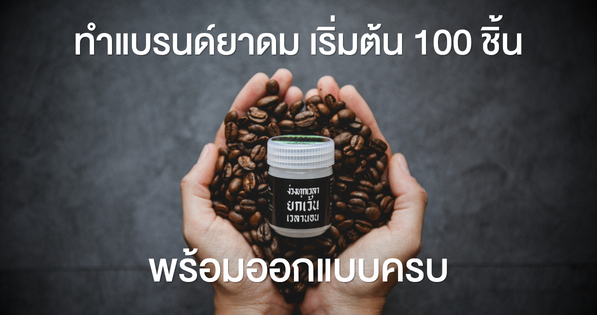
ทำแบรนด์ยาดม can start from only 100 pieces, giving an emerging brand a practical way to control initial cost and test real customer demand. You can prepare your own production-ready design or ask 248 STRIDE to support the brand, label, and packaging design before the first batch is produced.
A low starting quantity does not mean skipping strategy or quality. The best 100-piece launch is treated as a measured market test: one clear audience, one product promise, a focused scent direction, a workable price, and a plan for collecting feedback and deciding whether to reorder.
Why Is ทำแบรนด์ยาดม a Good First Product?
A herbal inhaler is compact, familiar to Thai customers, and flexible enough to fit wellness, travel, lifestyle, souvenir, event, hospitality, and corporate-gift concepts. It also gives a new brand several visible ways to differentiate:
- Scent direction and cooling character
- Container color and product format
- Brand name, visual identity, and label
- Individual wrap, carton, sleeve, or gift set
- Story about Thai herbs, community, place, or occasion
- Retail, online, event, hotel, café, or gallery channel
The product should still solve a specific brand problem. “For everyone” is too broad. A travel audience may prioritize portability, while a premium gift buyer may care more about story and presentation.
Can I Really Start with Only 100 Pieces?
Yes, the starting quantity is 100 pieces for the relevant custom inhaler service described here. This lower entry point helps entrepreneurs avoid committing to a large inventory before they know which scent, design, price, or channel performs best.
Before ordering, confirm how the 100 pieces are counted. Ask whether the quantity includes samples, display units, replacements, photography units, staff training units, or a reserve. Also ask whether the minimum applies per scent, per design, per container color, or across the total order.
A first batch of 100 pieces can be allocated, for example:
- 60 units for initial sales
- 10 units for creators, reviewers, or business partners
- 10 units for photography, displays, or live selling
- 10 units for events and sampling
- 5 units for internal quality references
- 5 units as replacement or delivery reserve
This is a planning example, not a required formula. Change the allocation to match the sales channel.
How Does a 100-Piece Batch Help Control Cost?
A smaller batch reduces the amount of cash tied up in unsold stock. It also limits the impact of an early mistake: if customers dislike the scent name, label color, price, or packaging, the brand can learn and revise before ordering a larger run.
Cost control should focus on the whole launch, not only the factory unit price. Build a simple budget with:
- Product and approved formula
- Container and closure
- Label printing
- Individual wrapping or outer packaging
- Brand or artwork design
- Sample and revision terms
- Freight and delivery
- Taxes and payment fees
- Photography and sales content
- Marketplace or payment-platform charges
- Reserve for defects, replacements, and promotions
A low-cost launch is one that protects cash and produces useful market evidence. It is not necessarily the cheapest possible package.
What Should I Decide Before Making an Inhaler Brand?
Write a one-page brand brief before discussing visuals. It should answer:
- Who is the primary customer?
- What moment or problem does the product belong to?
- Why would the customer choose this brand?
- Where will it be sold?
- What retail price range is realistic?
- What scent mood and cooling level fit the audience?
- What visual style should the brand own?
- Which words, colors, notes, or claims should be avoided?
- When must the product be ready?
- Who gives the final approval?
This brief becomes the filter for every decision. A design can look attractive and still be wrong if it does not fit the audience, channel, or target margin.
Should I Design It Myself or Use Design Support?
Both routes are possible. Choose based on your team’s capability, timeline, and the maturity of the brand.
Option 1: Submit your own design
This works well when the brand already has a logo, fonts, colors, packaging system, and a designer who can prepare production files. Ask the manufacturer for the exact dieline, label dimensions, bleed, safe margins, color mode, file format, and required text before starting.
Your designer should check:
- Logo size and clear space
- Thai and English readability
- Product and scent-name hierarchy
- Text size at the real printed scale
- Barcode or QR code size
- Required product, warning, and responsible-party information
- Label direction and application position
- Print limitations and acceptable color differences
Do not design from an estimated jar measurement or a screenshot.
Option 2: Ask 248 STRIDE to design
Design support is useful when the entrepreneur has a product idea but no finished visual system. Start with the brand story, audience, preferred references, colors, personality, and sales channel. The team can translate these inputs into an identity and label direction that fits the actual container.
The customer still needs to approve names, spelling, claims, colors, and final artwork. Design support does not replace business decisions or legal responsibility.
How Does the Brand Design Process Work?
A practical process uses clear approval stages:
- Brand brief: define customer, positioning, personality, channel, and price direction.
- Naming check: confirm the Thai and English brand and product names.
- Visual direction: choose colors, typography, references, and a recognizable style.
- Container fit: apply the design to the actual label area and product dimensions.
- Information hierarchy: arrange the brand, product, scent, and required details.
- Proof review: inspect artwork at 100% scale, not only on a large mockup.
- Final approval: record the filename, version, date, and approver.
- Production handoff: send only the approved files to printing and assembly.
Use one person to consolidate comments. Conflicting feedback from multiple chats creates version errors and delays.
How Should I Choose the First Scent?
The first scent should be easy for the target customer to understand and consistent with the brand story. Describe it through dimensions that can be compared:
- Cooling intensity: gentle, medium, or strong
- Herbal character: green, camphoraceous, earthy, or clean
- Citrus character: bright, peel-like, juicy, or Thai-green
- Floral character: soft, airy, rosy, or elegant
- Warmth: spicy, woody, sweet, or rounded
- After-impression: crisp, comforting, energetic, or neutral
For a 100-piece launch, one clear scent is easier to test than too many variations. If the brand starts with multiple scents, confirm whether the minimum quantity and component requirements apply to each scent or the whole order.
Use coded samples and a shared feedback sheet. Approve one physical sample or written specification as the production reference.
What Is the Production Process from Idea to 100 Pieces?
A reliable first batch follows approval gates:
- Initial inquiry: share target customer, quantity, scent, design route, budget, and required date.
- Feasibility review: check product direction, components, label, packaging, and schedule.
- Written quotation: confirm scope, assumptions, revisions, delivery, taxes, and payment terms.
- Sample or specification: review the scent, cooling direction, container, and presentation.
- Design development: submit ready artwork or work with the design team.
- Final approval: approve the scent reference, label file, packaging, and packing method.
- Material preparation: confirm the available components and approved print files.
- Production and assembly: manufacture, label, wrap, count, and pack to specification.
- Quality review: inspect representative units, label consistency, quantity, and cartons.
- Delivery and receiving: leave time to count and check before launch or an event.
Lead time depends on materials, design revisions, sample decisions, and delivery location. Share the fixed launch date at the first conversation.
How Should I Price My New Inhaler Brand?
Start with the complete landed cost, not only the factory unit price. Add product, label, packaging, freight, tax, payment charges, damaged-stock reserve, marketplace fees, promotions, and sales commissions.
Then test the price against the channel:
- Direct sales can retain more gross margin but require content and fulfillment.
- Marketplaces add platform costs and competitive price comparison.
- Wholesale needs room for the retailer’s margin.
- Corporate and event orders may require quotations, customization, and delivery coordination.
- Gift shops may value story and presentation but expect consistent supply.
Do not copy a competitor’s retail price without knowing their specification, order volume, channel costs, and business model.
What Should the First 100 Pieces Measure?
The first batch should answer business questions. Track:
- Number of units offered and sold
- Conversion rate by channel
- Time required to sell the batch
- Most common customer question
- Scent, design, and packaging feedback
- Returns, complaints, damage, or leakage reports
- Gross margin after direct selling costs
- Reorder requests and repeat purchase interest
- Content or creator posts that generated sales
- Remaining stock by week
Decide before launch what evidence would justify a reorder. A founder’s personal preference is not enough; use actual customer behavior.
How Do I Start a ทำแบรนด์ยาดม Project?
Prepare a one-page brief with the brand name, target audience, sales channel, scent direction, cooling level, container preference, design route, estimated budget, quantity, and required date. State clearly whether you will submit production-ready artwork or need design support.
Review OEM services to understand the development path, or use the DIY configurator to organize initial choices. When ready, contact 248 STRIDE and include the keyword “ทำแบรนด์ยาดม” plus your 100-piece launch goal.
Starting small is not a lack of ambition. A well-planned 100-piece batch gives the brand evidence, customer language, real cost data, and a clearer basis for the next production decision.
Frequently asked questions
- Can I start my own herbal inhaler brand with only 100 pieces?
- Yes, the custom inhaler service described here can start from 100 pieces. Confirm whether the minimum applies per scent, design, or container color and whether samples, displays, replacements, and reserve units are included in that quantity.
- Can I submit my own inhaler label design?
- Yes, you may submit production-ready artwork or use 248 STRIDE design support. Self-designed files must follow the exact dieline, label dimensions, bleed, safe margins, print format, and required product information supplied for the chosen container.
- How can a new inhaler brand keep its first-batch cost low?
- Start with a focused 100-piece batch, one primary audience, a clear scent, and simple packaging, then budget the full landed cost rather than only the factory price. Include product, components, printing, design, samples, delivery, taxes, platform charges, and a replacement reserve.